
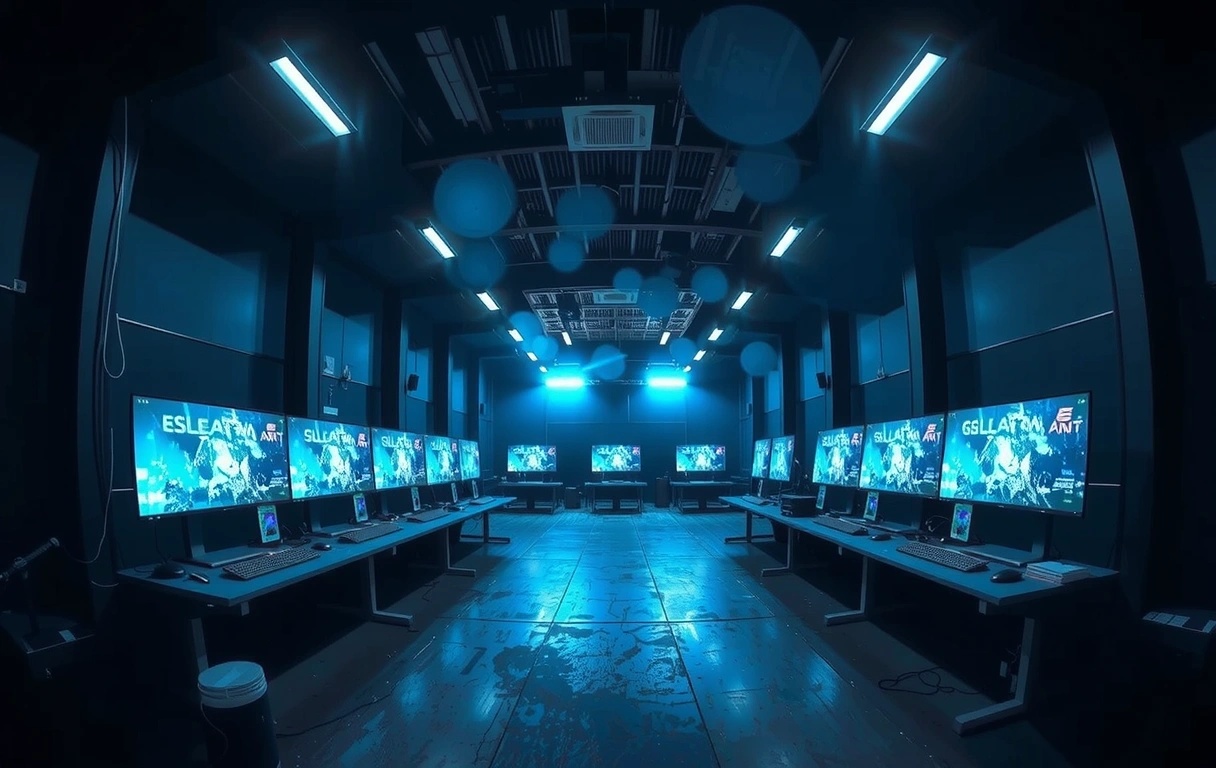
The Dark
Canvas.
Fieldmark was not born in a boardroom. It was founded in a repurposed Istanbul warehouse by a collective of veteran engineers and environment artists who believed that modern gaming had become too bright, too cluttered, and too loud.
We operate on a singular development philosophy: darkness is not the absence of light, but a high-fidelity design tool. By leveraging high-contrast rendering and binaural acoustic simulation, we create worlds where players rely on intuition rather than UI markers.
Studio Status_
- ACTIVE_PROJECTS 03
- ENGINE_VER VULKAN_X2
- LOCATION ISTANBUL_TR
- LATENCY_TARGET <15MS
Design Pillars
MODULE_027No-HUD Test
If a game cannot be navigated without a floating compass or a mini-map, the environmental design has failed. Every Fieldmark title undergoes a "blind" navigation audit where all UI is stripped away.
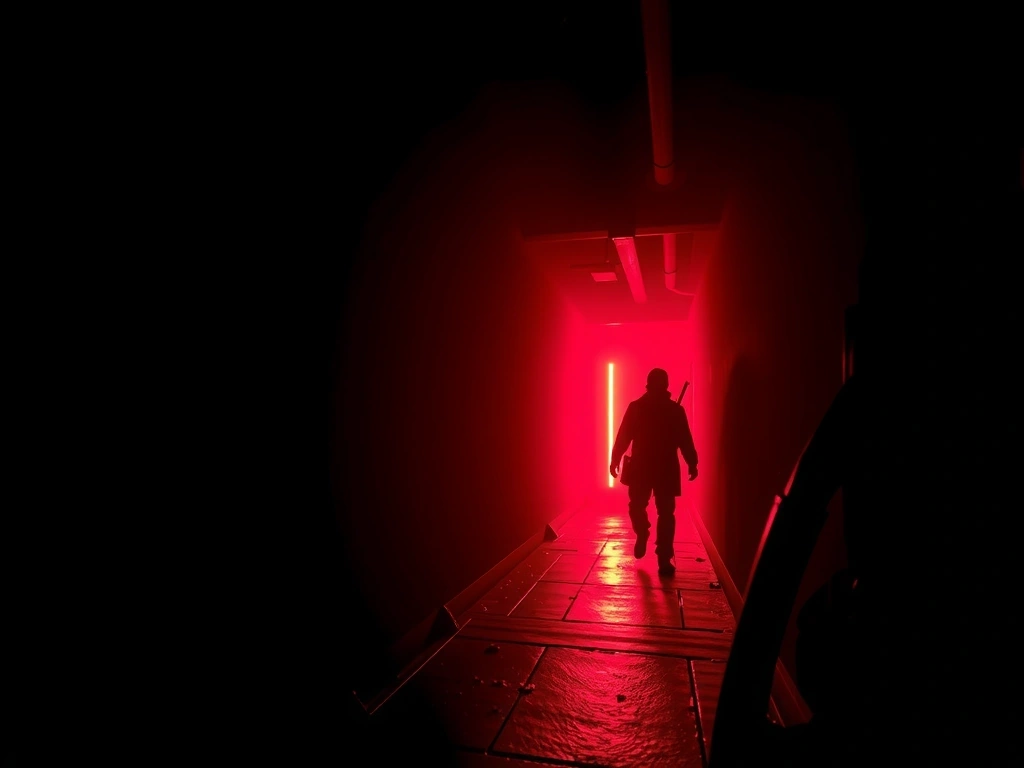
Binaural
Decay
Sound is our primary narrative vector. We utilize binaural convolution and procedural reverb to simulate the acoustic properties of derelict industrial spaces. In our worlds, you hear a threat long before you see it.
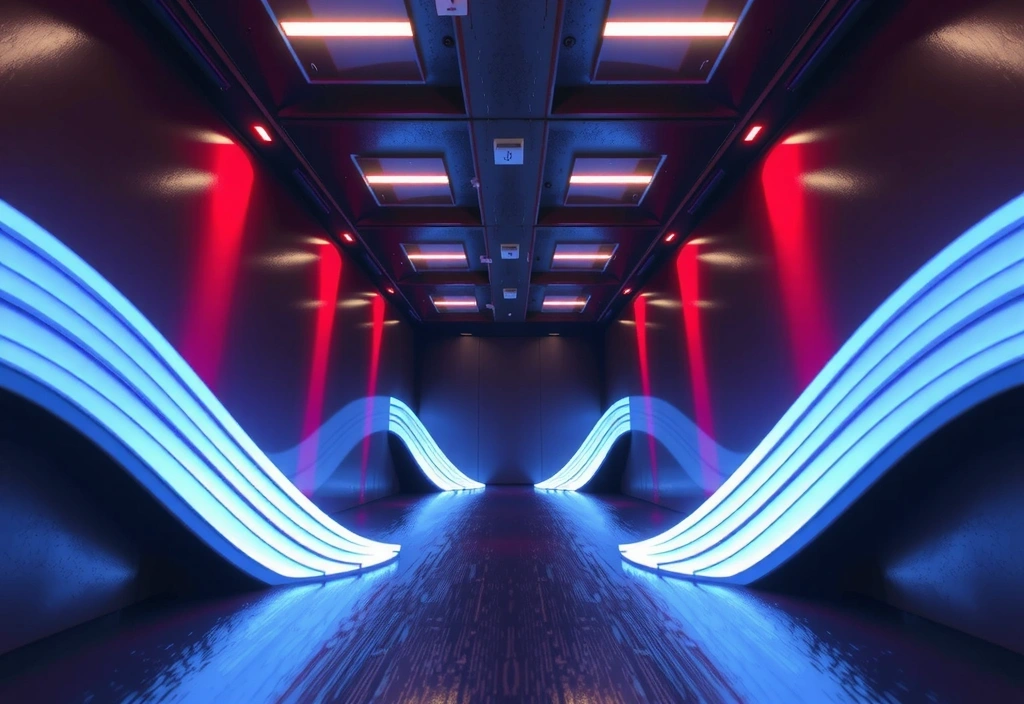
Vulkan_X2
Custom-built renderer prioritizing dynamic global illumination and shadow cascades over raw polygon count.
Performance Budget
Fieldmark Ethics
We reject the "live-service" loop. Our commitment is to self-contained narrative experiences—titles with a definitive ending, a singular vision, and zero compromise on atmospheric integrity.
Our Methodology.
Environmental Narrative
In a Fieldmark project, lore is never an entry in a menu. It is embedded in the reactive soundscapes and decaying architecture. We write our design documents as in-universe incident reports—blurring the line between development requirements and world-building from day one.

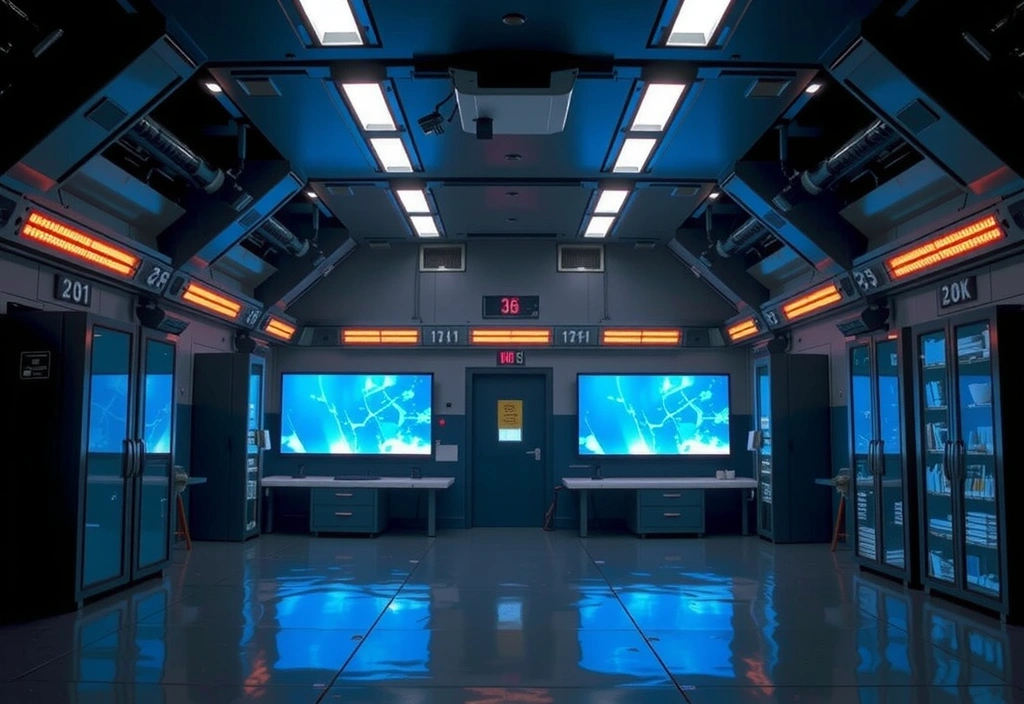
Visual Note: Every asset is physically-based, reacting to light with surgical precision to maintain immersion in VR and mobile displays alike.
Visual Fidelity
[COST]: Significant battery drain on standard mobile chipsets.
[MITIGATION]: Intelligent thermal throttling and variable rate shading (VRS) to protect hardware longevity.
Atmospheric Fog
[COST]: Increased compute overhead on GPU cycles.
[MITIGATION]: Custom volumetric lighting shaders optimized specifically for the latest 120Hz display refresh rates.
Input Lag
[COST]: High-fidelity animations can increase perceived latency.
[MITIGATION]: Async physics engine decoupling to maintain sub-5ms input response regardless of visual frame rate.
The "Fieldmark" Quality Gear
Our QA process is brutal. We conduct "Black-Box" sessions where testers play through environments with audio cues only. This validates that our sound design is robust enough to serve as a primary navigation tool, ensuring that the "cinematic" feel isn't just a filter, but a core structural mechanic.
Avoid the
Light-Wash.
Many studios mistake visual clarity for accessibility. We believe over-lighting environments destroys tension and player agency. Here is how we avoid common development pitfalls in the dark-cinematic genre.
Field Notes / QA Lead
"A player who isn't afraid of the corners isn't playing a Fieldmark game. We build for the fear of the unseen."
PITFALL_01
HUD Dependency
Relying on markers to find objectives. We avoid this by using 'Natural Guidance'—lighting specific architectural paths that pull the player's eye subconsciously.
PITFALL_02
Static Shadows
Flat lighting breaks immersion in 2026. Every light source in Fieldmark is dynamic, casting real-time shadows that players can use to hide—or track movement.
PITFALL_03
Audio Over-Saturation
Too much noise creates 'sonic mud'. We use a minimalist audio subtractive model, focusing on two or three 'hero' sounds that define the spatial geometry.
PITFALL_04
Monotony in Dark
Pure black is boring. We use desaturated blues, ambers, and tactical reds to create 'visual layers' that reward players with high-contrast screen setups.
Join the
Collective.
We are currently looking for technical artists and network engineers based in Istanbul or remote to build the next frontier of immersive sims.
+90 212 555 1234 — info@fieldmark.site